Decoding Your Shades: A Guide to Global Sunglasses Standards
 |
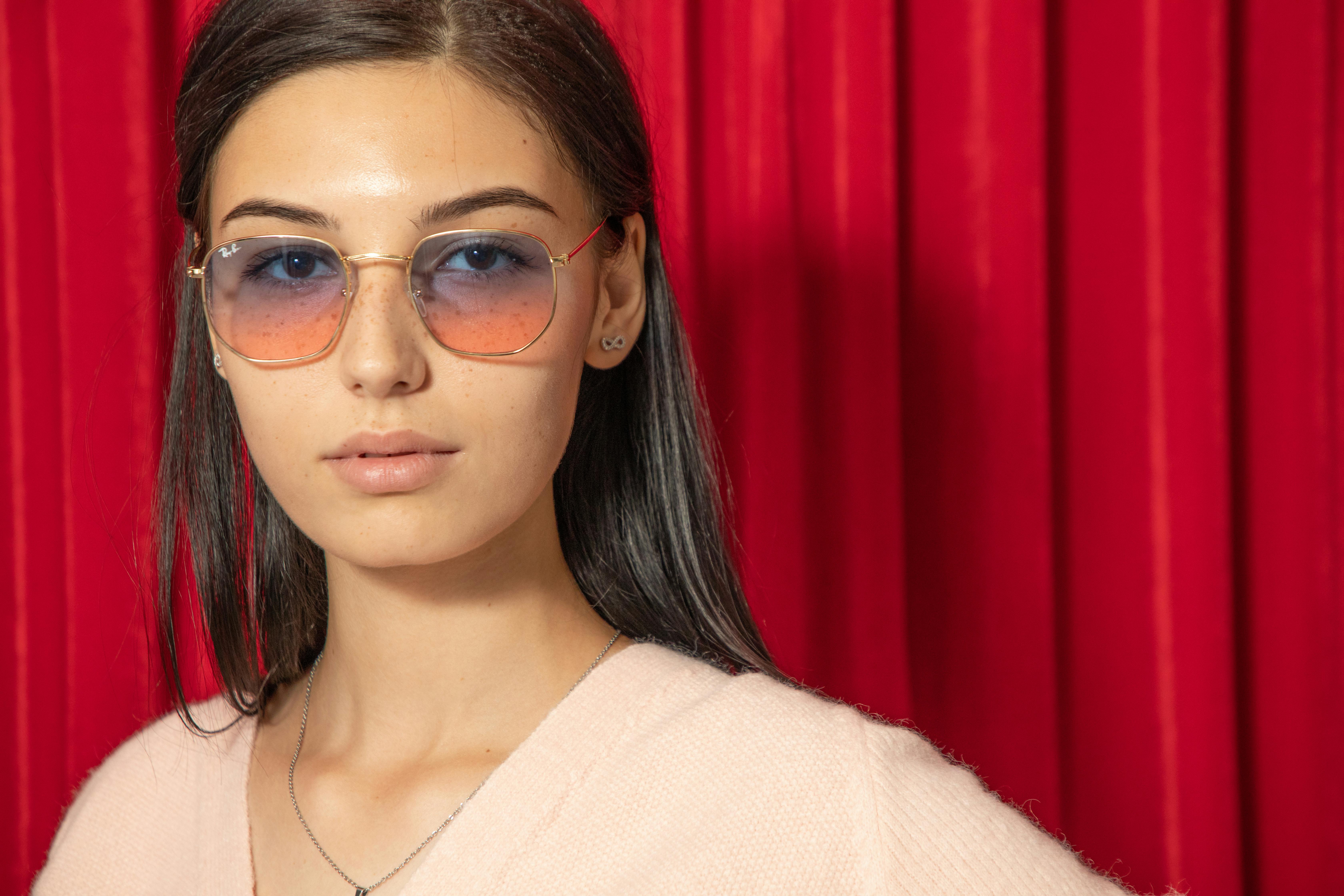
Dollger Square Aviator Sunglasses for Men and Women
When you slip on a pair of sunglasses, you probably think about style and comfort. But there's something far more important at play: protection. To ensure your eyewear is actually safeguarding your eyes from the sun's harmful rays, sunglasses are held to rigorous international standards.
Understanding these standards is key to making a smart purchase. Here's a breakdown of what you need to look for, from UV ratings to lens categories, across the globe.
The Most Crucial Standard: UV Protection
The primary role of a sunglass lens is to block invisible ultraviolet (UV) light, which can cause serious eye conditions over time. When shopping for sunglasses, prioritize UV protection above all else.
100% UV Protection or UV400: This is the gold standard recommended by eye care professionals. It means the lenses block nearly 100% of both UVA and UVB rays, up to a wavelength of 400 nanometers (nm). This is the highest level of protection available.
The CE Mark (Europe): The CE (Conformité Européenne) mark, found on sunglasses sold in the European Union, signifies compliance with the EN ISO 12312-1 standard. This standard requires UV protection up to 380 nm and also covers requirements for optical clarity and impact resistance. While 380nm provides good protection, UV400 offers a slightly broader and superior block.
ANSI Z80.3 (USA): In the United States, sunglasses must comply with the ANSI Z80.3 standard, in addition to being regulated by the Food and Drug Administration (FDA) for impact resistance. The ANSI standard emphasizes sufficient UV protection and optical quality.
AS/NZS 1067 (Australia/New Zealand): Often considered one of the world's most stringent standards, this requires high levels of UV protection up to 400 nm.
Decoding Lens Filter Categories
 |
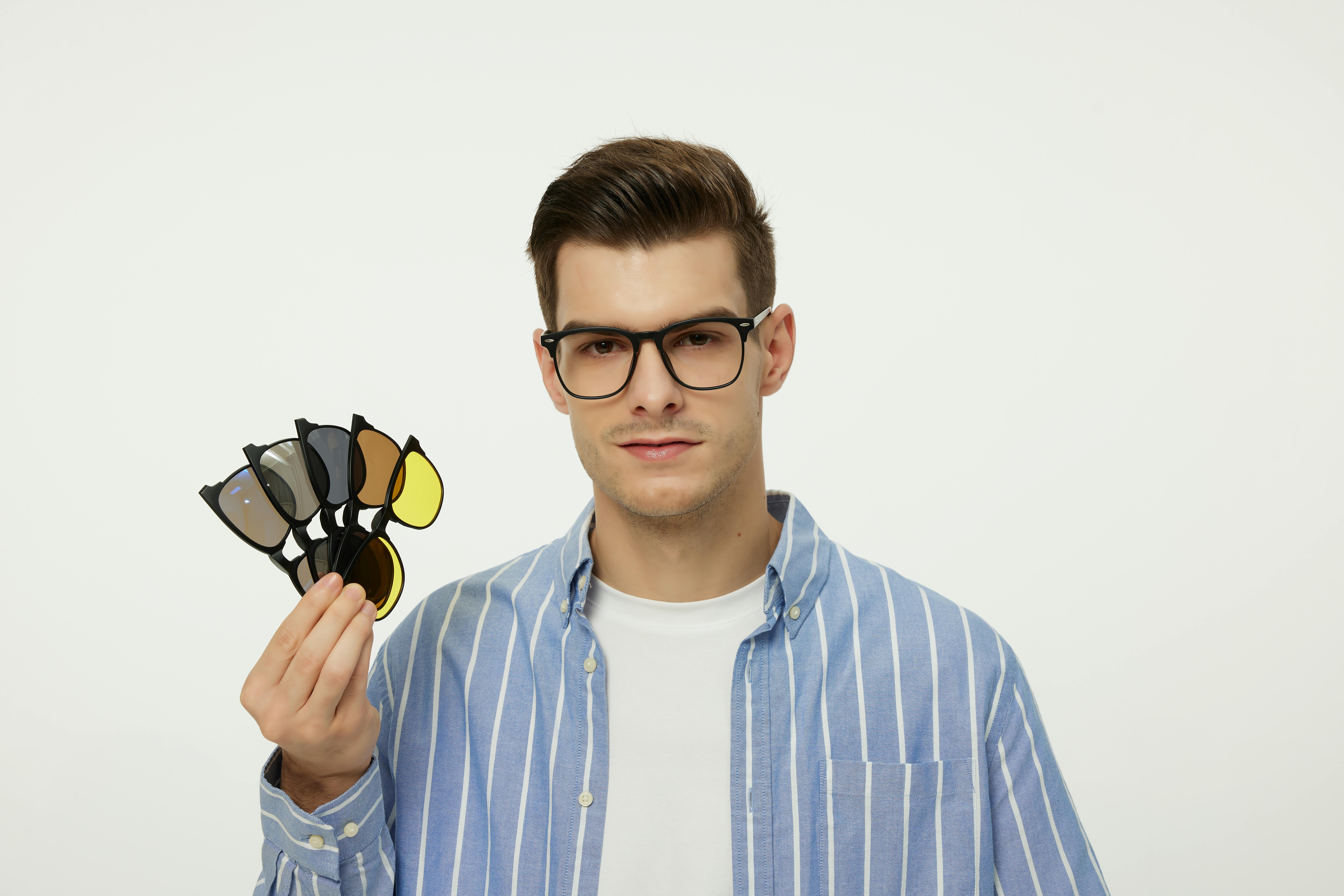
SOJOS Retro Oval Sunglasses for Women Trendy Classic Shades UV400 Protection
All major international standards categorize sunglass lenses based on how much visible light they let through, also known as Visible Light Transmission (VLT). This is separate from UV protection, as a dark lens is not automatically a UV-protective one. Categories range from 0 to 4:
Key Takeaway: A category 3 lens is perfect for most bright, everyday conditions. Category 4 lenses are too dark for driving and should only be used for specialized, high-glare environments like skiing or mountain climbing.
Beyond UV: Other Critical Safety Requirements
While UV protection is paramount, global standards also mandate other safety and quality features:
Impact Resistance: In the U.S., the FDA requires non-prescription lenses to be impact-resistant, often through a "drop-ball test" to ensure they won't shatter easily. Similar requirements exist in other regions.
Optical Clarity: The lenses must provide clear, undistorted vision. Standards measure for imperfections that could cause lines to appear wavy or blurred.
Flammability and Biocompatibility: Products are tested to ensure frame materials are not flammable and are non-toxic, preventing irritation or allergic reactions to the skin.
Shopping Smart: Your Checklist
 |
SOJOS Retro Polarized Square Aviator Sunglasses for Women Men Vintage 70s UV400
To ensure your new shades are safe and compliant, remember these steps:
Look for the Label: Always check for the official marking, which is typically found on a swing tag or stamped on the inside of the frame's arm. Look for UV400 or 100% UV Protection.
Verify Compliance Marks: Depending on where you live or are buying from, check for the relevant marks:
CE Mark (European Union)
ANSI Z80.3 / FDA (USA)
AS/NZS 1067 (Australia/New Zealand)
Check the Category: Make sure the lens category is appropriate for your intended use, especially if you plan to drive. Stick to Category 2 or 3 for driving and general use.
Buy from Reputable Sources: Purchasing from established retailers, opticians, or well-known brands is the best way to avoid counterfeit products that may have dark lenses but offer little to no actual UV protection.
Sunglasses are more than just a fashion statement—they are essential eye protection. By understanding what these standards mean, you can ensure your eyes are well-protected for years of bright days to come.












.webp)
.png)

.webp)
.png)


Comments
Post a Comment
Share your thoughts and Questions here.